Retail to Healthcare Conversions: Transforming Vacant Spaces
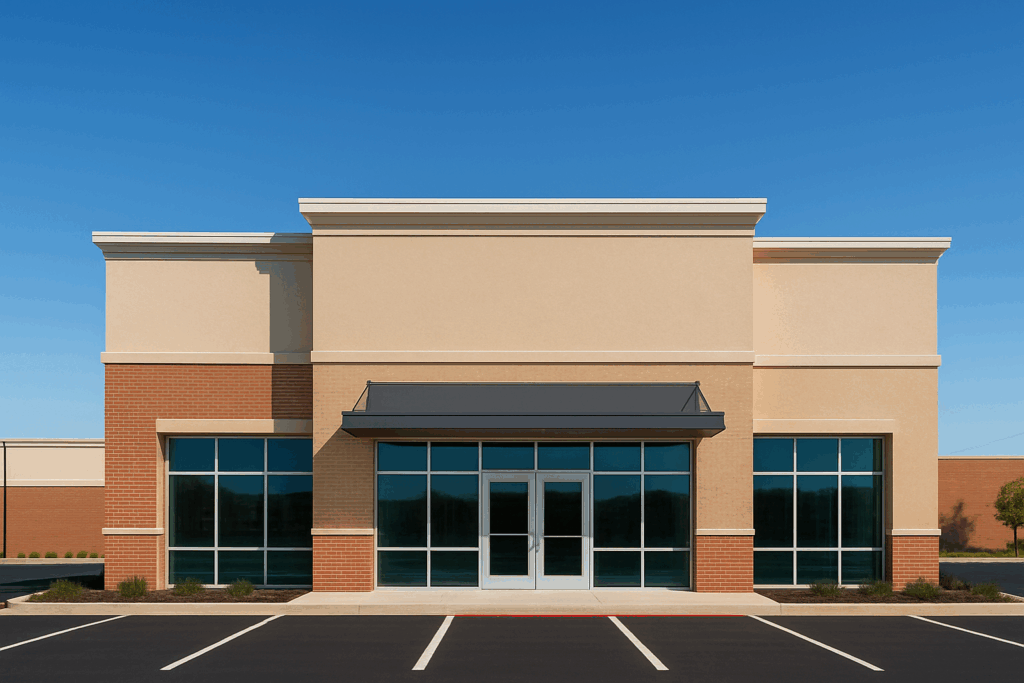
As more consumers shop online, traditional retail properties like shopping centers and big-box stores have faced rising vacancies. At the same time, the demand for healthcare services continues to grow. This intersection has created a powerful trend: retail to healthcare conversions. By repurposing vacant retail spaces into modern healthcare facilities, providers and investors can meet patient demand while revitalizing underused properties.
Why Retail to Healthcare Conversions Make Sense
Retail properties are often located in high-traffic, highly visible areas close to residential neighborhoods. For patients, that means convenience and accessibility. For healthcare providers, it means strong branding opportunities and a chance to expand their reach.
Compared to building new medical facilities, retail to healthcare conversions are often faster and more affordable. Many existing spaces already offer large floor plans, ample parking, and infrastructure that can be adapted for outpatient services.
Benefits for Healthcare Providers
- Cost Savings – Converting an existing building is usually less expensive than ground-up development.
- Patient Convenience – Locations in retail corridors make it easy for patients to combine errands with medical visits.
- Scalability – Large retail footprints allow space for imaging centers, urgent care, or specialty practices.
- Speed to Market – Renovating retail spaces often takes less time than new construction, enabling providers to serve patients sooner.
Key Considerations in the Conversion Process
While the benefits are clear, successful retail to healthcare conversions require careful planning. Some important factors include:
- Zoning and Permitting – Confirm the property is approved for healthcare use.
- Infrastructure Upgrades – Medical facilities often need new plumbing, electrical capacity, and ventilation systems.
- Patient Accessibility – ADA compliance, patient drop-off areas, and wide entrances are essential.
- Design and Branding – Strong signage and a modern interior help attract and retain patients.
The Investor and Community Perspective
For investors and property owners, retail to healthcare conversions provide stable tenants in a growing sector. Healthcare providers tend to sign long-term leases, creating reliable income streams.
Communities also benefit from these projects. Vacant storefronts are revitalized, residents gain convenient access to care, and surrounding businesses benefit from increased traffic. Cities also recover tax revenue from formerly underutilized properties.
Conclusion
Retail to healthcare conversions represent a win-win solution for providers, investors, and communities alike. By transforming empty retail spaces into healthcare facilities, practices can lower costs, improve patient access, and enter new markets more quickly. As outpatient care continues to expand, these conversions are set to play a major role in the future of healthcare real estate.