Healthcare Real Estate Opportunities in Chicago
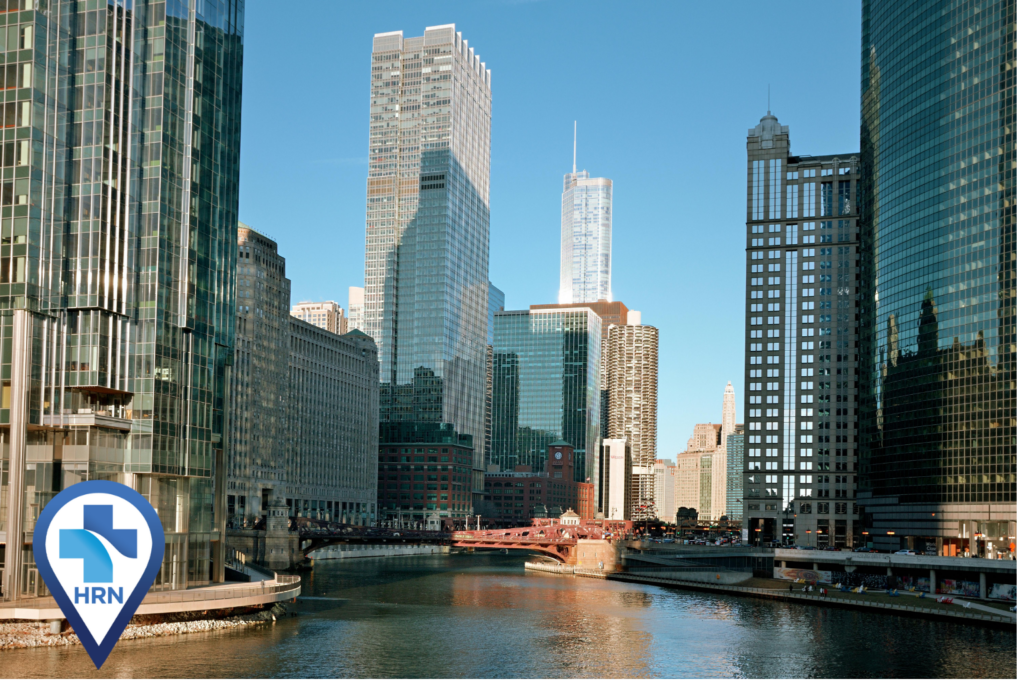
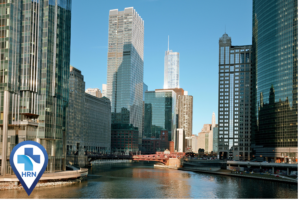
Chicago has long been known as one of the Midwest’s most important healthcare hubs. With a large population, world-class hospitals, and growing demand for outpatient care, the city continues to present strong opportunities for healthcare real estate development and investment. For investors, healthcare providers, and developers, understanding the current trends shaping healthcare real estate opportunities in Chicago can help identify where the market is headed.
A Strong Healthcare Market
One of the main reasons Chicago stands out in healthcare real estate is its strong healthcare infrastructure. The region is home to several nationally recognized health systems, including Northwestern Medicine, Rush University System for Health, and Advocate Health. These organizations operate hospitals, outpatient facilities, and specialty clinics throughout the metropolitan area.
Because these health systems continue expanding services, they also create ongoing demand for medical real estate. New clinics, outpatient centers, and specialty care facilities are frequently developed to support growing patient volumes.
The Rise of Medical Office Buildings
Medical office buildings (MOBs) have become one of the most attractive healthcare real estate assets in Chicago. Unlike traditional office buildings, MOBs often have long-term tenants and stable occupancy rates. Healthcare providers typically sign longer leases and invest heavily in tenant improvements, which can make these properties more resilient during economic shifts.
As healthcare delivery shifts toward outpatient services, more providers are seeking medical office space located closer to residential areas. This has driven new development throughout the Chicago metro area.
Suburban Growth Is Driving Development
While downtown Chicago remains a major healthcare center, much of the recent growth in healthcare real estate has occurred in the suburbs. Communities such as Naperville, Schaumburg, and Oak Brook have become popular locations for outpatient clinics and specialty care centers.
There are several reasons for this shift. Suburban facilities often provide easier access for patients, more available parking, and lower development costs compared with urban locations. Healthcare providers are increasingly expanding into these communities to bring services closer to where patients live.
Retail-to-Medical Conversions
Another interesting trend shaping healthcare real estate opportunities in Chicago is the conversion of retail space into medical facilities. As some retail properties struggle with vacancy, many developers are transforming these locations into healthcare clinics.
These “medtail” locations work well for healthcare providers because they are typically located in high-traffic areas and already include parking and easy accessibility for patients. For investors, these conversions also offer a way to reposition underperforming retail properties.
Why Investors Are Interested
Healthcare real estate continues to attract investors because it tends to offer stability compared to other commercial property types. Demand for healthcare services remains strong regardless of economic conditions, which helps support consistent occupancy in medical buildings.
In Chicago, investors are particularly interested in medical office buildings, urgent care centers, and specialty clinics. These properties often feature reliable tenants and long-term leases, which can provide predictable income streams.
Looking Ahead
Healthcare delivery is evolving, and Chicago’s real estate market is evolving with it. The shift toward outpatient care, growing suburban demand, and the creative reuse of retail properties are all shaping the next generation of healthcare facilities in the region.
For investors and healthcare providers, keeping an eye on these trends can reveal valuable opportunities across the Chicago market.
Final Thoughts
Chicago remains one of the most promising markets for healthcare real estate in the Midwest. With expanding healthcare systems, strong patient demand, and ongoing development throughout the metro area, the city offers a wide range of opportunities for those involved in healthcare property investment and development.