Behavioral Health Demand in Grand Rapids Is Rising
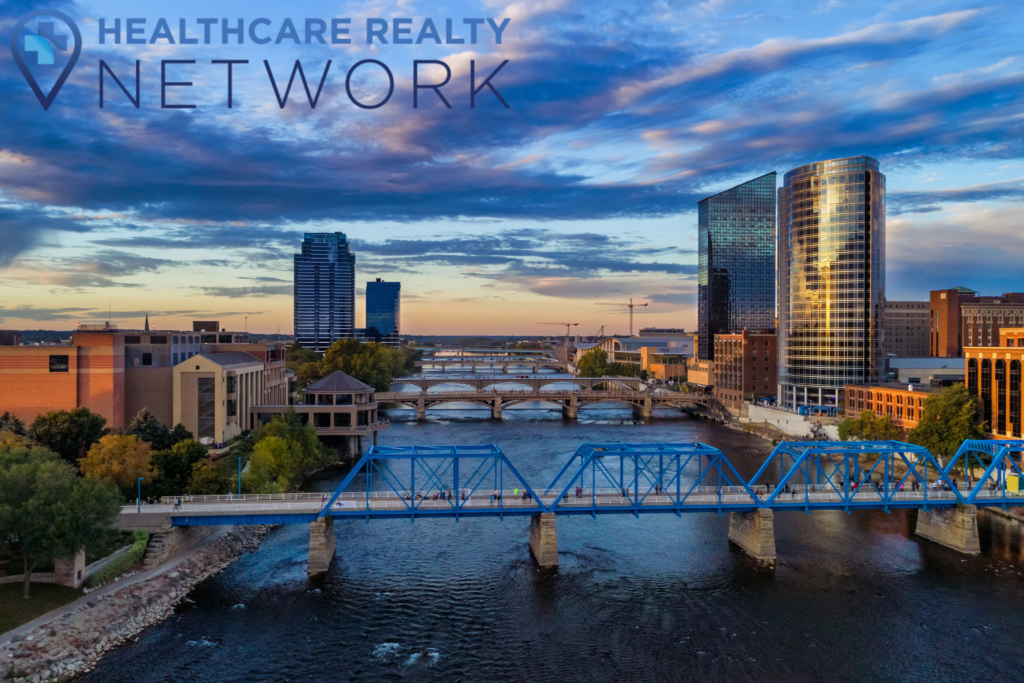
The behavioral health demand Grand Rapids continues to grow as more individuals seek mental health and substance use services across West Michigan. Increased awareness, population growth, and expanded access to care are all contributing to the rising need for modern behavioral health facilities. As a result, providers and developers alike are paying closer attention to how this demand is shaping the local healthcare landscape.
What’s Driving the Increase?
Several factors are fueling behavioral health demand throughout the Grand Rapids area. One of the most significant is the growing acceptance of mental health care. As stigma continues to decline, more people are comfortable seeking support for conditions like anxiety, depression, and addiction.
In addition, healthcare systems are seeing higher patient volumes, particularly in outpatient and community-based settings. This has placed pressure on existing facilities, many of which are already operating at or near capacity.
A Shortage of Suitable Facilities
Another reason behavioral health demand Grand Rapids remains high is the lack of appropriate, modern spaces. Behavioral health facilities require unique design elements that support both patient safety and comfort.
Many older buildings do not meet current standards, making it difficult for providers to deliver high-quality care. New facilities often include:
- Private and group therapy rooms
- Calming, patient-centered environments
- Secure layouts with thoughtful design
- Access to outdoor or natural spaces
Because of these specialized requirements, the supply of suitable spaces has not kept pace with demand.
Opportunities for Providers
Healthcare providers have a strong opportunity to expand services in response to this growing demand. Organizations that invest in new facilities or renovate existing spaces can better serve their communities and improve patient outcomes.
In Grand Rapids, high-demand services include:
- Outpatient mental health clinics
- Intensive outpatient programs
- Substance use treatment centers
- Youth and adolescent services
Location also plays a key role, with facilities performing best when they are easily accessible to the populations they serve.
Impact on Healthcare Real Estate
The rise in behavioral health demand Grand Rapids is also influencing healthcare real estate trends. Investors and developers are recognizing the long-term need for these facilities and the stability they can offer.
Behavioral health properties often require more planning and customization than traditional medical offices, but they also present strong opportunities for growth. In Grand Rapids, this has led to increased interest in both new construction and redevelopment projects.
Partnerships between healthcare providers and real estate professionals are becoming more important to ensure facilities meet clinical, operational, and community needs.
Future Outlook
The outlook for behavioral health demand Grand Rapids remains strong. As awareness continues to grow and healthcare systems evolve, the need for accessible, high-quality care will only increase.
Looking ahead, we can expect to see:
- More integrated care models
- Expanded outpatient services
- Continued development in high-growth areas
Meeting this demand will require thoughtful planning, investment, and collaboration, but it also presents a meaningful opportunity to improve community health across Grand Rapids.