Medical Office Demand in South Bend and Mishawaka Is Rising in 2026
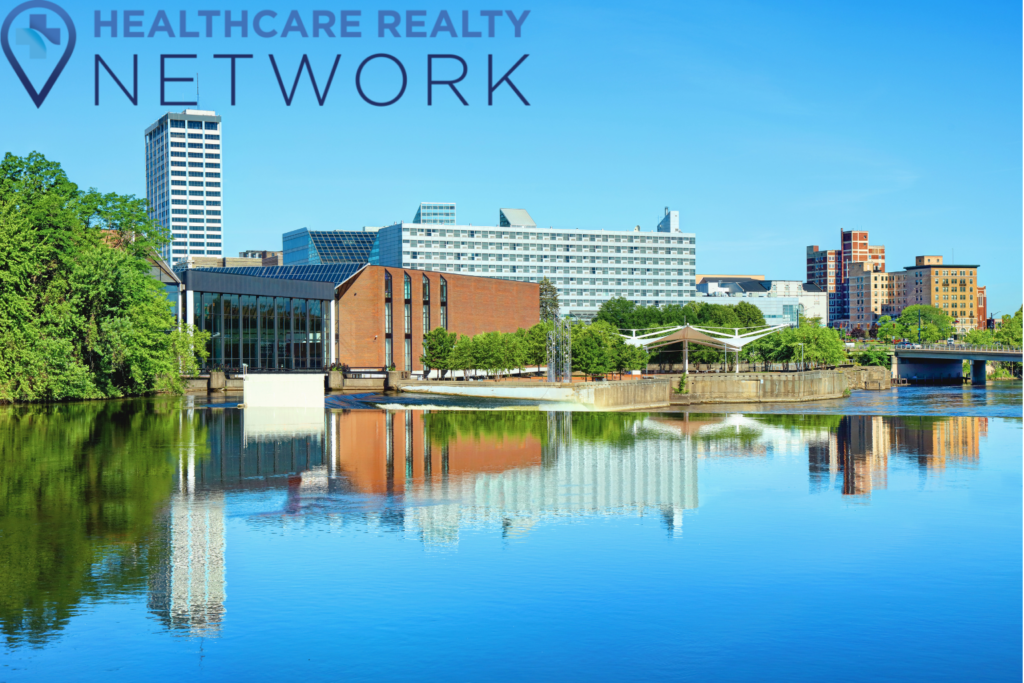
The Medical Office Demand South Bend market is gaining momentum in 2026. Healthcare providers, investors, and property owners are paying closer attention to South Bend and Mishawaka as demand for modern medical office space continues to grow. With expanding healthcare services, population needs, and a shift toward outpatient care, these two Northern Indiana cities are becoming attractive locations for healthcare real estate.
Why Demand Is Growing
Several factors are driving medical office demand in South Bend and Mishawaka.
1. Growth in Outpatient Care
Patients increasingly prefer convenient care options outside of hospitals. This has created demand for smaller clinics, urgent care centers, specialty practices, and wellness offices located closer to neighborhoods and retail corridors.
Instead of large hospital campuses, many providers now want flexible office space with easy parking and visibility.
2. Strong Regional Healthcare Presence
South Bend and Mishawaka benefit from major healthcare systems serving the region. As providers grow their networks, they often need additional satellite offices, diagnostic centers, and physician spaces.
This expansion supports long term demand for quality medical office buildings across both cities.
3. Aging Population
Like many Midwest markets, Northern Indiana has a growing senior population. Older residents typically need more frequent healthcare services, including primary care, cardiology, orthopedics, and rehabilitation.
That trend increases the need for accessible medical space in convenient locations.
Why Investors Like Medical Office Properties
Medical office buildings continue to attract investors because they often provide stable occupancy and longer lease terms than traditional office properties.
Benefits may include:
- Reliable tenant demand
- Recession resistant industry
- Long term leases
- Strong retention rates
- Consistent cash flow potential
As standard office space faces uncertainty, healthcare real estate remains one of the strongest sectors in commercial property.
Best Areas for Medical Office Growth
Not every location performs the same. In South Bend and Mishawaka, demand is strongest in areas with traffic, visibility, and access to residential neighborhoods.
Top areas include:
Near Major Hospitals
Buildings near hospital campuses remain attractive for specialists, imaging, and support services.
Main Retail Corridors
High traffic roads and retail centers are ideal for urgent care, dental, and family medicine offices.
Growing Suburban Areas
New residential development often creates fresh demand for nearby healthcare providers.
What Tenants Want in 2026
Today’s medical tenants are looking for more than square footage. They want properties that support patient experience and efficient operations.
Important features include:
- Easy parking
- ADA accessibility
- Modern waiting areas
- Updated HVAC systems
- Flexible floorplans
- Strong signage opportunities
- Ground floor access
Owners who improve these features may lease faster and attract stronger tenants.
Opportunities for Property Owners
If you own commercial property in South Bend or Mishawaka, now may be a good time to evaluate healthcare use potential. Many former office, retail, or mixed use spaces can be converted for medical tenants with the right layout and zoning.
Owners who position assets for healthcare demand may benefit from stronger rents and lower vacancy.
Outlook for 2026 and Beyond
The outlook for the Medical Office Demand South Bend market remains positive. As healthcare delivery continues shifting toward outpatient and community based care, South Bend and Mishawaka are well positioned for continued growth.
For investors, landlords, and healthcare providers, these cities offer a strong combination of affordability, regional access, and rising demand.
Final Thoughts
Medical office demand in South Bend and Mishawaka is no longer a niche trend. It is becoming a major opportunity within Indiana commercial real estate. Providers need better locations, patients want convenience, and investors want stable assets.
That combination should keep the market active well beyond 2026.