Dermatology Office Leasing: Key Factors for Practice Success
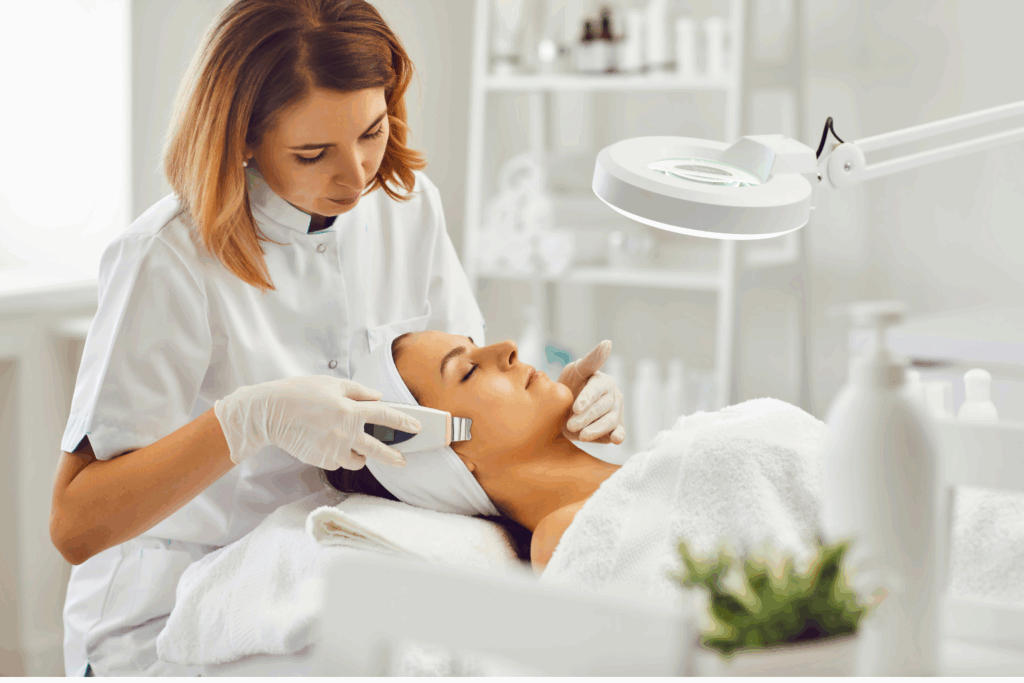
For dermatology practices, the decision to lease medical office space is one of the most important steps in shaping long-term success. Dermatology office leasing affects everything from patient access to workflow efficiency and financial stability. A carefully chosen space not only supports clinical operations but also creates an environment that helps attract and retain patients. With demand for dermatology services continuing to rise, selecting the right office is more critical than ever.
Location and Accessibility
When evaluating office options, location should be at the top of the list. Patients want dermatology care that is convenient and easy to access. Practices benefit from offices situated near residential neighborhoods, retail centers, or major commuter routes. Ample parking, ADA compliance, and proximity to public transportation all improve the patient experience. In competitive markets, accessibility can be the factor that determines whether a patient chooses your clinic or another provider.
Office Layout and Design
Another essential factor in dermatology office leasing is the floor plan. Dermatology clinics often require a mix of general exam rooms, procedure rooms for skin surgeries, and cosmetic treatment areas. The design should also accommodate specialized equipment such as lasers and imaging systems. A flexible layout allows a practice to expand services as demand grows, while thoughtful design improves staff workflow and reduces patient wait times. Creating a welcoming reception area also contributes to patient satisfaction.
Compliance with Healthcare Standards
Leasing space for a medical practice comes with strict regulatory requirements. Dermatology offices must meet healthcare-specific codes for ventilation, sanitation, and medical waste disposal. Patient privacy is another critical consideration, especially for procedures that may require discretion. Landlords familiar with healthcare tenants can often provide spaces that already meet these requirements, saving practices time and renovation costs.
Visibility and Branding Opportunities
Because dermatology often blends medical and cosmetic services, visibility plays an important role in practice growth. Office space in high-traffic areas or with strong signage opportunities helps practices attract new patients, particularly for elective cosmetic treatments. Being located near other healthcare providers or in a medical office building can also lend credibility and convenience for patients seeking multiple services.
Technology and Infrastructure
Today’s dermatology practices rely heavily on digital tools. High-speed internet, advanced imaging equipment, and electronic health record systems are central to patient care. When considering dermatology office leasing, it’s vital to ensure the space can support these technologies without requiring extensive upgrades. Adequate electrical capacity and modern wiring help practices operate efficiently and prepare for future advancements such as teledermatology.
Lease Flexibility and Terms
Finally, the lease agreement itself can have long-term implications. Dermatology office leasing should include flexible terms that allow for growth, such as renewal options, tenant improvement allowances, or rights of first refusal on adjacent space. Engaging a healthcare real estate advisor can help practices negotiate favorable terms that align with both immediate needs and future expansion plans.
Conclusion
Dermatology office leasing is more than a real estate decision, it’s a strategic investment in the future of the practice. By focusing on location, office design, compliance, visibility, technology, and lease flexibility, dermatologists can secure a space that enhances patient access and supports sustainable growth. Thoughtful planning today creates a strong foundation for long-term success in an increasingly competitive healthcare landscape.