How Cosmetic and Outpatient Procedures Are Shaping Dermatology Real Estate in Indiana
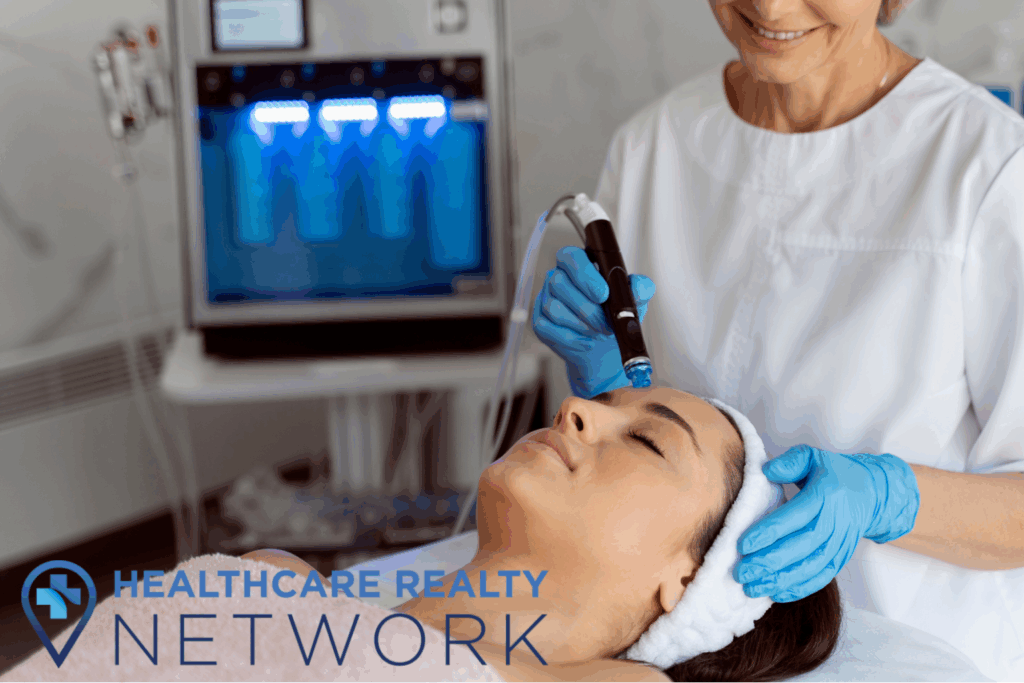
Cosmetic and outpatient dermatology procedures continue to grow in popularity across Indiana. As patients seek convenient, same-day treatments, dermatology practices are expanding beyond traditional medical office settings. This shift is reshaping dermatology real estate in Indiana and influencing where, how, and why new clinics are developed.
Understanding how cosmetic and outpatient procedures impact dermatology real estate helps providers and investors make smarter location and design decisions.
Rising Demand for Cosmetic and Outpatient Dermatology Services
First, patient demand is driving change. Procedures such as Botox, fillers, laser treatments, and minor surgical dermatology services no longer require hospital settings. Instead, providers deliver these services safely and efficiently in outpatient clinics.
In Indiana, growing suburban populations and an increased focus on aesthetic care have accelerated demand for conveniently located dermatology practices. As a result, clinics are moving closer to residential neighborhoods and high-traffic retail areas.
Location Trends Across Indiana
Location plays a critical role in modern dermatology real estate. Many Indiana dermatology clinics now prioritize retail-adjacent sites, mixed-use developments, and suburban medical corridors.
High visibility and easy access matter, especially for cosmetic-focused practices that rely on patient awareness and repeat visits. Communities such as Indianapolis, Carmel, Fishers, Zionsville, and Greenwood continue to attract new dermatology clinics due to strong demographics and steady population growth.
These locations support both medical and cosmetic services while enhancing patient convenience.
Real Estate Design and Space Requirements
Cosmetic and outpatient procedures require specialized real estate design. Dermatology clinics often need flexible treatment rooms, procedure suites, recovery areas, and space for advanced equipment.
In Indiana, many practices choose spaces between 2,500 and 5,000 square feet. These layouts allow providers to offer both medical dermatology and aesthetic services under one roof. Retail-style interiors, modern finishes, and welcoming waiting areas also support patient experience and brand image.
As technology evolves, adaptable space design remains a priority.
Zoning and Regulatory Considerations in Indiana
While many cosmetic procedures fall under outpatient care, zoning and regulatory requirements still apply. Indiana clinics must comply with local zoning ordinances, building codes, and healthcare regulations.
Medical gas systems, electrical capacity, and plumbing upgrades often factor into site selection. Early collaboration with architects and contractors familiar with Indiana dermatology regulations helps streamline approvals and avoid costly delays.
Investment Outlook for Indiana Dermatology Real Estate
From an investment standpoint, dermatology real estate in Indiana offers strong fundamentals. Cosmetic services often provide stable cash flow, while outpatient procedures support long-term patient relationships.
Dermatology clinics typically invest heavily in build-outs and equipment, which encourages longer lease terms. For investors, this translates into reliable tenants and predictable income.
As demand for cosmetic and outpatient dermatology services continues to grow, well-located and well-designed clinics remain attractive assets.
The Future of Dermatology Real Estate in Indiana
Looking ahead, cosmetic and outpatient procedures will continue to shape dermatology real estate throughout Indiana. Practices will increasingly seek locations that balance visibility, accessibility, and patient comfort.
For providers, aligning real estate decisions with service offerings supports growth and patient retention. For investors, understanding these trends helps identify properties positioned for long-term success.
Ultimately, dermatology real estate in Indiana will continue to evolve as cosmetic and outpatient care become central to modern dermatology practices.