Urgent Care and Retail Healthcare Expansion in Indiana
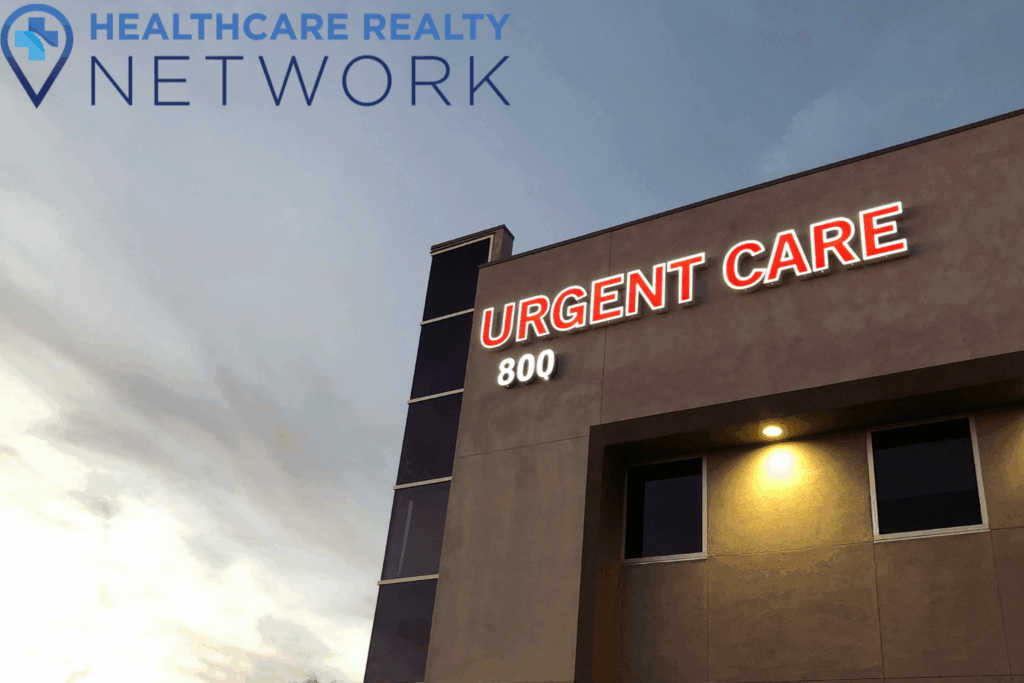
Urgent care and retail healthcare are expanding rapidly across Indiana. As patients seek faster, more convenient access to medical services, healthcare providers continue to move care closer to where people live, work, and shop. This shift is reshaping healthcare real estate throughout the state and creating new opportunities for investors, developers, and healthcare operators.
Understanding the drivers behind urgent care and retail healthcare expansion in Indiana is essential for making informed real estate decisions.
Why Urgent Care and Retail Healthcare Are Growing in Indiana
First, patient preferences continue to change. Many Hoosiers now expect same-day care without long wait times. Urgent care centers and retail healthcare clinics meet this demand by offering extended hours, walk-in access, and convenient locations.
At the same time, Indiana’s population growth in suburban areas is fueling demand for neighborhood-based healthcare. As communities expand beyond urban cores, healthcare providers are following residential growth patterns with smaller, highly accessible facilities.
In addition, rising healthcare costs are pushing providers to deliver services in lower-cost outpatient settings. As a result, urgent care and retail healthcare models continue to gain traction across Indiana.
Ideal Locations for Urgent Care and Retail Healthcare in Indiana
Location plays a critical role in the success of urgent care and retail healthcare facilities. In Indiana, providers often target high-traffic retail corridors, grocery-anchored shopping centers, and mixed-use developments.
Visibility and ease of access matter. Properties near major roadways, signalized intersections, and densely populated neighborhoods tend to perform best. Ample parking and strong signage further improve patient experience and brand recognition.
Markets such as Indianapolis, Carmel, Fishers, Fort Wayne, and Greenwood have seen increased activity as healthcare providers compete for prime retail-adjacent sites.
Real Estate Design and Space Considerations
Urgent care and retail healthcare facilities require flexible and efficient layouts. Typical spaces range from 3,000 to 6,000 square feet and include exam rooms, imaging areas, check-in desks, and staff support spaces.
Because many clinics occupy former retail space, developers must account for medical build-out requirements such as plumbing, electrical capacity, and HVAC upgrades. Additionally, ADA compliance and patient flow remain top priorities in Indiana healthcare facility design.
Flexible space design also allows providers to adapt as services expand or patient volumes change.
Zoning and Regulatory Considerations in Indiana
Before selecting a site, providers and developers must confirm zoning compatibility. While many Indiana municipalities allow medical use in retail or commercial zones, local regulations vary.
Healthcare facilities must also meet state licensing requirements and applicable building codes. Early coordination with local planning departments and healthcare design professionals helps streamline approvals and reduce delays.
Understanding these regulatory considerations ensures urgent care and retail healthcare projects move forward efficiently.
Investment Outlook for Indiana Urgent Care Real Estate
From an investment perspective, urgent care and retail healthcare real estate offer attractive fundamentals. Tenants often sign long-term leases and invest significantly in build-outs, which encourages lease stability.
Additionally, healthcare tenants typically generate consistent foot traffic, making these properties appealing to retail landlords. As consumer-driven healthcare continues to expand, demand for well-located urgent care facilities across Indiana is expected to remain strong.
The Future of Retail Healthcare in Indiana
Looking ahead, urgent care and retail healthcare will continue to play a key role in Indiana’s healthcare delivery system. Providers will focus on convenience, accessibility, and community presence.
For real estate investors and developers, aligning site selection, design, and leasing strategies with these trends can unlock long-term value. Ultimately, urgent care and retail healthcare expansion in Indiana represents one of the most dynamic segments of the state’s healthcare real estate market.