
Michigan’s Ambulatory Surgery Centers: Real Estate Considerations
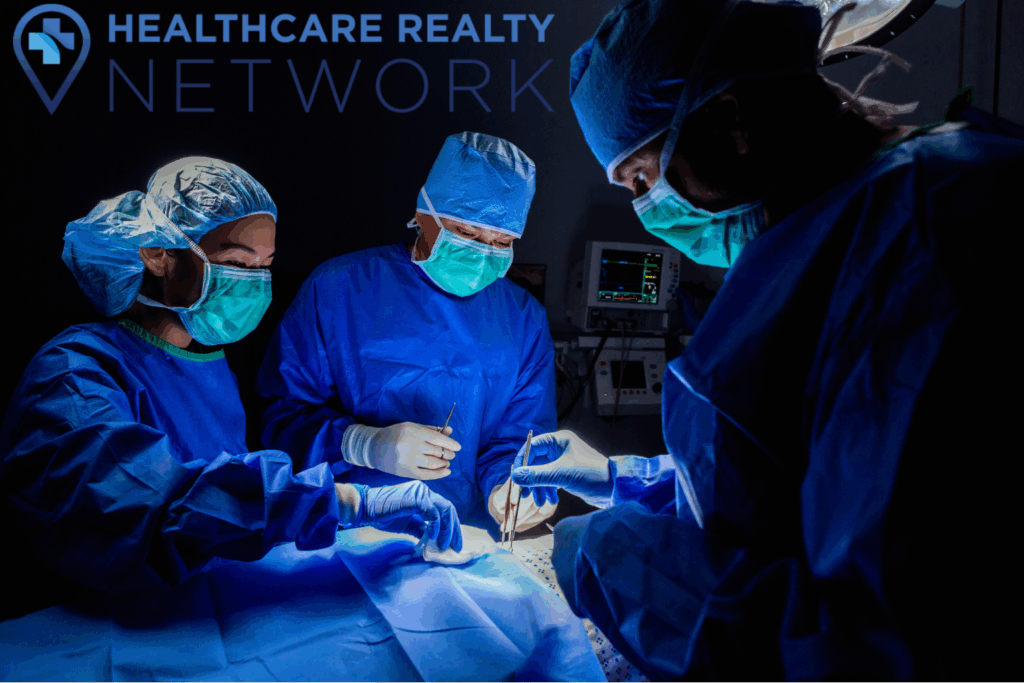
Ambulatory Surgery Centers (ASCs) continue to reshape healthcare delivery across Michigan. As more procedures move away from hospitals and into outpatient settings, demand for well-designed ASC facilities continues to grow. For healthcare real estate investors, developers, and providers, understanding Michigan ambulatory surgery center real estate is essential for long-term success.
Why Ambulatory Surgery Centers Are Expanding in Michigan
First, rising healthcare costs encourage providers to seek more efficient care settings. At the same time, Michigan’s aging population increases demand for outpatient procedures. In addition, patients prefer the convenience and shorter recovery times ASCs offer.
Because of these factors, ASCs are expanding rapidly in markets such as Detroit Metro, Grand Rapids, Ann Arbor, and Lansing. As a result, healthcare real estate plays a critical role in supporting this growth.
Location and Accessibility Drive Success
Above all, location remains one of the most important real estate considerations for Michigan ambulatory surgery centers. Patients need easy access, while physicians value proximity to hospitals and medical office buildings.
For this reason, successful ASCs often sit near major roadways and established healthcare corridors. Additionally, ample parking and strong visibility improve both patient experience and operational efficiency. In growing suburban areas throughout West Michigan and Southeast Michigan, developers increasingly target locations near expanding residential communities.
Zoning and Regulatory Considerations in Michigan
Next, zoning and regulatory compliance directly affect ASC real estate projects. In Michigan, developers must meet strict healthcare facility standards set by the Department of Licensing and Regulatory Affairs (LARA).
Not every commercial building can support an ASC. For example, ceiling heights, floor load capacity, and medical gas infrastructure all influence feasibility. Therefore, early coordination with architects, engineers, and legal teams familiar with Michigan healthcare regulations helps avoid costly delays.
Building Design and Space Requirements
In addition to compliance, ASCs require highly specialized building layouts. Operating rooms, sterile processing areas, recovery rooms, and waiting spaces must flow efficiently while meeting safety standards.
Most Michigan ASCs range between 10,000 and 20,000 square feet, depending on their specialties. Furthermore, Michigan’s climate adds another layer of planning. Reliable HVAC systems, emergency power, and snow management solutions help ensure uninterrupted operations throughout the year.
Investment and Lease Considerations
From an investment standpoint, Michigan ambulatory surgery center real estate often offers stability. ASCs typically sign long-term leases because of their high build-out costs and specialized equipment.
Moreover, many ASCs feature physician ownership or partnerships with established health systems. This structure often strengthens tenant commitment and reduces turnover risk. When evaluating ASC properties, investors should review ownership structure, procedure volume, and payer mix to assess long-term viability.
The Future of Michigan Ambulatory Surgery Center Real Estate
Looking ahead, outpatient care will continue to expand across Michigan. As healthcare systems seek cost-effective solutions and patients demand convenience, ASCs will remain a key part of the state’s healthcare infrastructure.
Consequently, well-located and properly designed ASC properties will continue to attract both providers and investors. By understanding the real estate considerations unique to Michigan, stakeholders can position themselves for success in this growing healthcare sector.