The Shift from Inpatient to Outpatient Care and Its Real Estate Impact
Healthcare Is Moving Beyond the Hospital
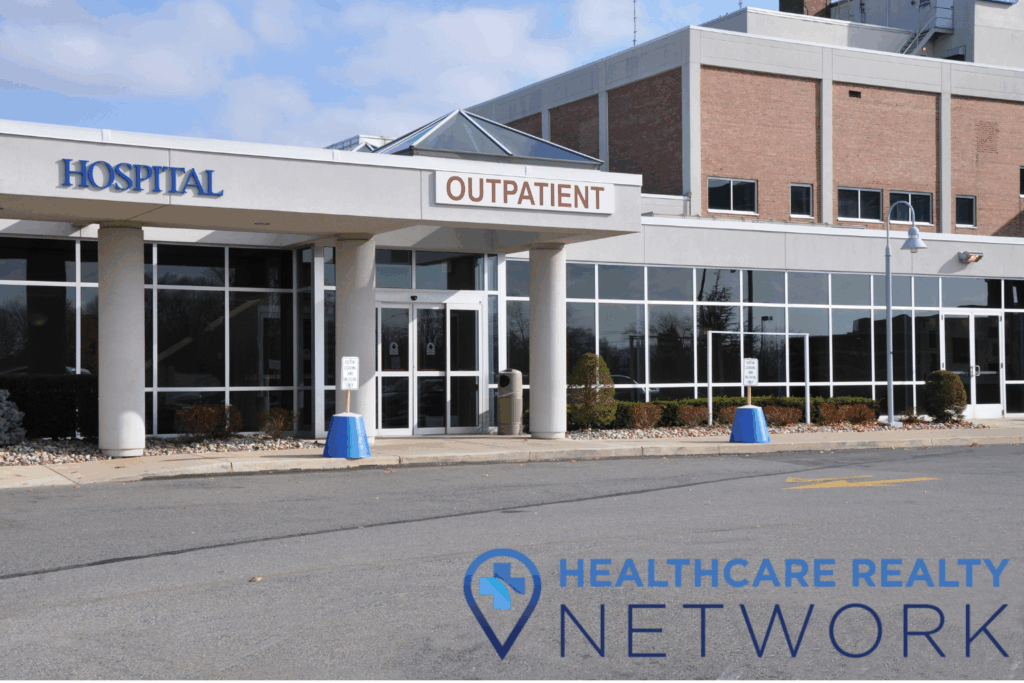
Healthcare delivery is changing fast. Many treatments that once required hospital stays can now be done through outpatient care. As a result, healthcare providers are rethinking their real estate strategies. Instead of investing in large hospital campuses, many are focusing on smaller, flexible outpatient facilities located closer to patients. This ongoing shift is reshaping the entire healthcare real estate market.
Instead of focusing on large hospital campuses, they are now investing in smaller, more flexible outpatient facilities located closer to where patients live. This shift from inpatient to outpatient care is reshaping healthcare real estate across the country.
Why Outpatient Care Keeps Growing
There are several reasons why outpatient care continues to grow:
- Better technology: New equipment and procedures make it easier and safer to perform surgeries and tests outside of hospitals.
- Lower costs: Outpatient centers usually cost less to build and operate, which helps both providers and patients save money.
- More convenience: Patients prefer shorter visits and locations that are easier to access, often closer to home or work.
Because of these benefits, more healthcare systems are expanding through outpatient centers rather than traditional hospitals.
How This Shift Affects Healthcare Real Estate
This move toward outpatient care is changing how healthcare real estate is developed and managed.
1. Rising Demand for Medical Office Buildings
Medical office buildings (MOBs) are now some of the most popular healthcare investments. Providers are leasing these spaces for primary care, imaging, and specialty services.
2. Growth in Specialized Outpatient Facilities
Outpatient surgery centers, imaging centers, and urgent care clinics are expanding fast. They offer flexibility, lower costs, and steady income for investors.
3. More Property Conversions and Redevelopment
Developers are turning empty retail or office spaces into modern healthcare facilities. In some cases, older hospital buildings are being redesigned to serve outpatient needs.
4. Location Is More Important Than Ever
Outpatient care depends on convenience. Properties near neighborhoods, retail areas, and main roads are now top choices for development.
What It Means for Investors and Developers
For investors, the rise of outpatient care brings new opportunities. These properties often have long-term, reliable tenants and strong returns.
For developers, it’s a chance to design smaller, flexible buildings that meet modern healthcare standards. Understanding healthcare zoning and compliance will be key to success in this growing market.
Final Thoughts
The move from inpatient to outpatient care isn’t just a short-term change, it’s the future of healthcare. As hospitals focus more on specialized care, outpatient centers will continue to grow in number and importance.
This trend is creating lasting change in healthcare real estate, opening the door for new investments, creative development, and better access to care. Now is the perfect time for investors and developers to adapt and grow with the industry.