Why Telehealth Doesn’t Eliminate the Need for Medical Real Estate
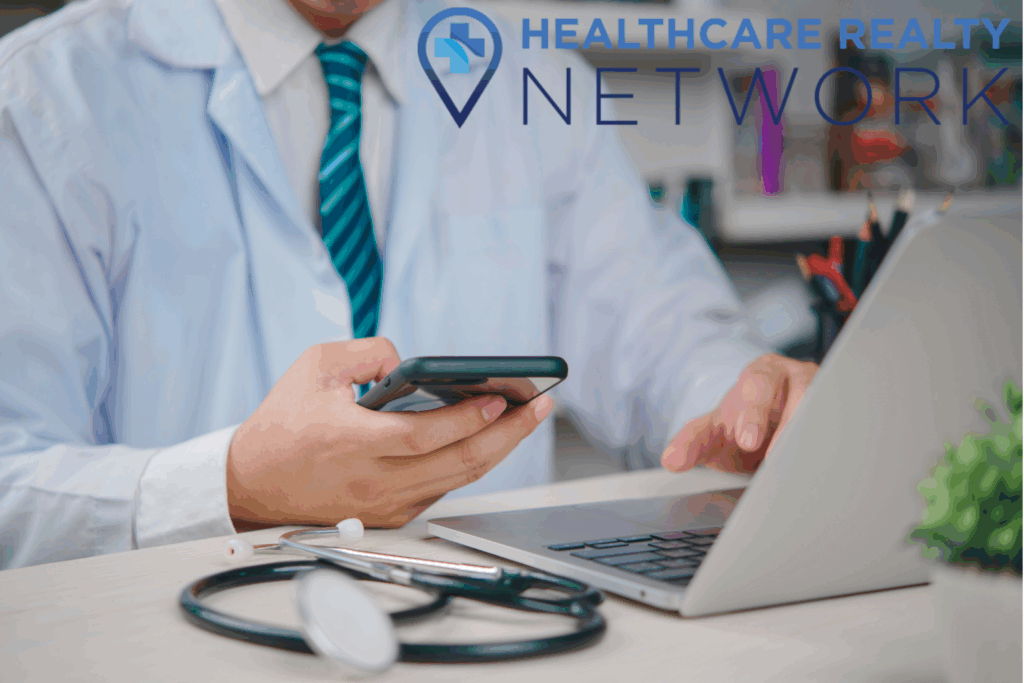
The rise of telehealth has changed how patients access care. Video consultations, digital follow-ups, and remote monitoring are now part of everyday medicine. But even as virtual care expands, telehealth real estate remains essential. Physical healthcare spaces still play a critical role in how providers deliver comprehensive care.
1. Virtual Care Still Needs Physical Infrastructure
Every telehealth visit relies on technology, privacy, and support systems that live in physical spaces. Clinics need secure areas for physicians to conduct calls, equipped with reliable connectivity and HIPAA-compliant systems. These spaces often exist within larger medical offices or hospitals, reinforcing the ongoing need for medical real estate designed for digital care.
2. Patients Still Require In-Person Visits
Telehealth works best for consultations, mental health sessions, and routine follow-ups. But many treatments like imaging, surgery, lab testing, and physical therapy, can’t be done remotely. That means patients still need access to well-located clinics and specialty centers. The shift isn’t replacing physical facilities; it’s reshaping how those spaces function.
3. The Hybrid Care Model Is the Future
The most successful healthcare systems are adopting hybrid models, combining telehealth with in-person services. This approach improves patient convenience while keeping continuity of care. As a result, real estate developers are now designing telehealth-ready buildings with flexible layouts, private digital suites, and shared diagnostic areas.
4. Technology Is Driving Facility Upgrades
Traditional medical buildings are evolving. Many providers are investing in soundproof rooms, upgraded broadband, and secure data hubs to support telehealth operations. These improvements not only attract tenants but also future-proof properties for ongoing digital integration.
5. Location Still Matters
Even in a digital-first world, proximity remains valuable. Patients prefer clinics close to home for lab tests, imaging, and physical exams. Likewise, healthcare providers choose accessible real estate to maintain community presence and trust. Telehealth enhances reach, but it doesn’t replace the need for a local footprint.
Conclusion
Telehealth is transforming how care is delivered, but it hasn’t erased the value of physical medical spaces. Instead, it’s creating new demand for telehealth real estate, facilities built for both digital and in-person care. Investors, developers, and healthcare leaders who understand this balance are best positioned to meet the next generation of healthcare needs.