The Growing Demand for Urgent Care Real Estate
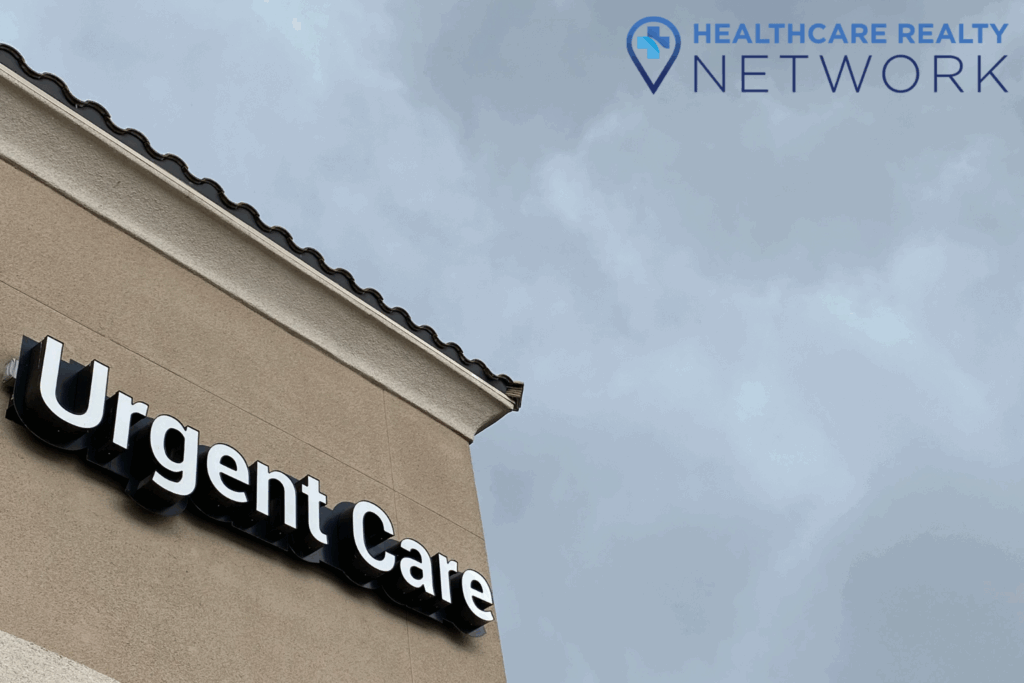
In recent years, the demand for urgent care real estate has been steadily increasing. As a result of shifting patient expectations for convenience and affordability, urgent care centers are being developed at a rapid pace. Positioned between primary care clinics and emergency rooms, these facilities are viewed as a critical part of the healthcare landscape. Consequently, new opportunities are being created for both investors and healthcare providers.
Why Urgent Care Real Estate is in High Demand
Patients are no longer willing to wait weeks for appointments or face the high costs of emergency visits. Instead, care is being sought in urgent care centers, where immediate access is usually provided. Therefore, the need for urgent care real estate has been fueled by these changing behaviors.
Moreover, urgent care facilities are often built in smaller spaces, which allows them to be developed more quickly and at lower costs than hospitals. By reducing barriers to expansion, providers are able to meet rising patient demand more efficiently.
Key Drivers of Growth
The expansion of urgent care real estate is being driven by several factors:
- Retail Conversions: Vacant retail spaces are increasingly being transformed into urgent care centers, as visibility and foot traffic are already established.
- Population Growth: As suburban and rural communities expand, more urgent care facilities are being required to serve residents.
- Insurance Incentives: Since urgent care visits are typically less costly than emergency room care, patients are often encouraged by insurers to choose this option.
- Investor Appeal: Properties with long-term leases and dependable tenants are considered attractive investments in healthcare real estate.
Opportunities for Investors
Strong opportunities are being presented to investors in urgent care real estate. Long-term stability, consistent occupancy, and resilience during economic fluctuations are commonly associated with these facilities. In addition, properties located near residential areas with easy access are often regarded as the most valuable.
Because healthcare is a needs-based industry, urgent care centers are expected to maintain steady demand regardless of broader market changes. Therefore, investors who prioritize these properties may benefit from predictable returns.
Looking Ahead
The future of urgent care real estate is expected to remain strong. As outpatient care continues to grow, and as telehealth becomes integrated into patient services, additional development is anticipated. Furthermore, community-based healthcare models are being prioritized, which means urgent care facilities are likely to expand across suburban and rural areas.
Conclusion
The landscape of healthcare delivery is being reshaped by the growing importance of urgent care real estate. Because patient expectations for convenience and affordability have changed, urgent care centers are being recognized as essential to the healthcare system. As this trend continues, significant opportunities will be offered to providers, developers, and investors who position themselves within this growing segment of real estate.