The Rise of Specialty Veterinary Hospitals and Their Impact on Real Estate
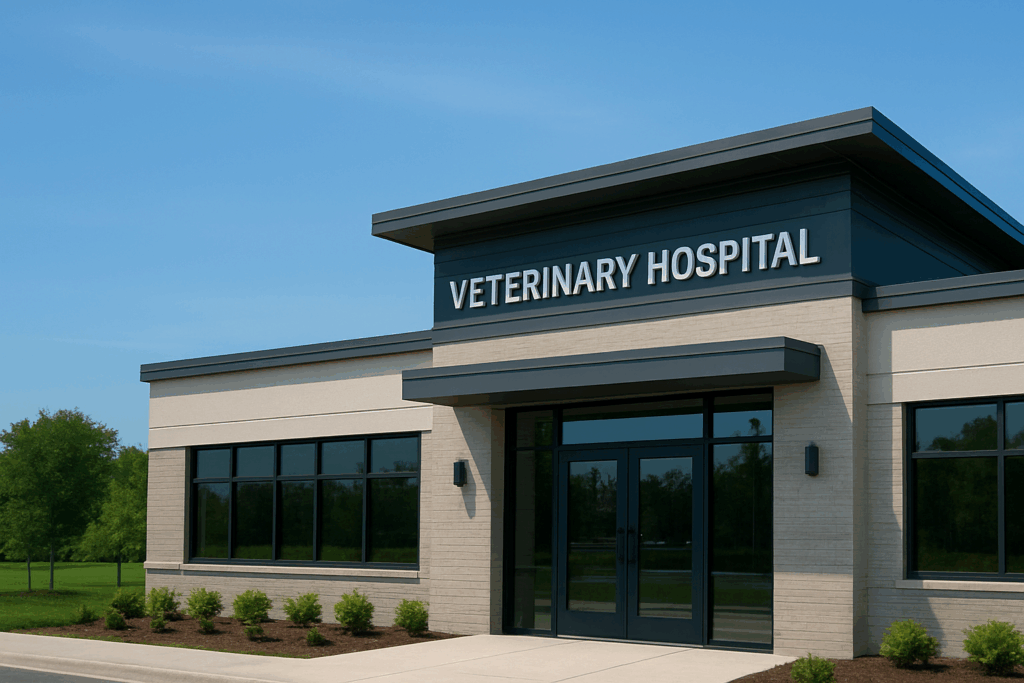
The veterinary field is evolving quickly, and real estate is evolving with it. With more households treating pets as family, demand for advanced medical care is on the rise. This shift is fueling the expansion of specialty veterinary hospitals, facilities that provide services such as surgery, oncology, cardiology, dermatology, and 24/7 emergency care. Their growth is not only transforming how veterinary medicine is delivered but also creating ripple effects throughout the veterinary real estate market.
What’s Driving the Growth of Specialty Veterinary Care?
Several key trends explain why specialty hospitals are opening at a record pace:
- Changing consumer expectations – Pet owners increasingly expect access to the same quality of care available in human healthcare.
- Industry consolidation – Corporate veterinary groups and private equity firms are acquiring practices and investing heavily in specialty care.
- Medical innovation – Advanced diagnostics and treatments are now widely available for pets, increasing the need for larger, more sophisticated facilities.
Together, these factors are pushing veterinary practices to expand beyond the traditional neighborhood clinic model.
Real Estate Demands of Specialty Veterinary Facilities
Unlike general practices, specialty hospitals require far more space and infrastructure. Real estate considerations often include:
- Large building footprints for surgical suites, imaging rooms, and dedicated treatment areas.
- Prime locations with visibility and easy access, especially for pet emergencies.
- Custom infrastructure such as advanced HVAC, specialized equipment hookups, and recovery areas for animals.
- Generous parking to accommodate both high patient volume and staff.
Because of these needs, developers are increasingly repurposing retail buildings or office space into veterinary hospitals, while some groups opt for ground-up construction.
Why Investors Are Taking Notice
From an investment perspective, specialty veterinary real estate is proving highly attractive. The pet care sector tends to be resilient in economic downturns, with owners continuing to spend on medical care regardless of the economy. Additionally, long-term leases signed by large veterinary groups make these properties appealing for investors seeking stable income streams.
Vacant big-box retail stores and shopping centers have also become prime candidates for adaptive reuse. Transforming these underutilized properties into specialty veterinary hospitals not only generates reliable rental income but also brings much-needed services to local communities.
What It Means for Veterinary Practice Owners
For veterinarians themselves, real estate decisions can significantly influence profitability and practice valuation. Whether to lease or own, how to select a location, and how to design a facility for efficiency are all critical considerations. A well-planned, modern facility not only improves patient care but also attracts top veterinary talent and enhances the client experience.
The Outlook
With pet ownership at record levels and veterinary medicine continuing to advance, specialty hospitals are set to play an increasingly central role in animal healthcare. This trend is reshaping real estate strategies for investors, developers, and veterinarians alike.
In short: specialty veterinary hospitals are here to stay, and they’re driving new opportunities across the veterinary real estate sector.