Expanded Article: Skilled Nursing Real Estate & Market Dynamics
Recent Deals: Michigan & Texas Facilities
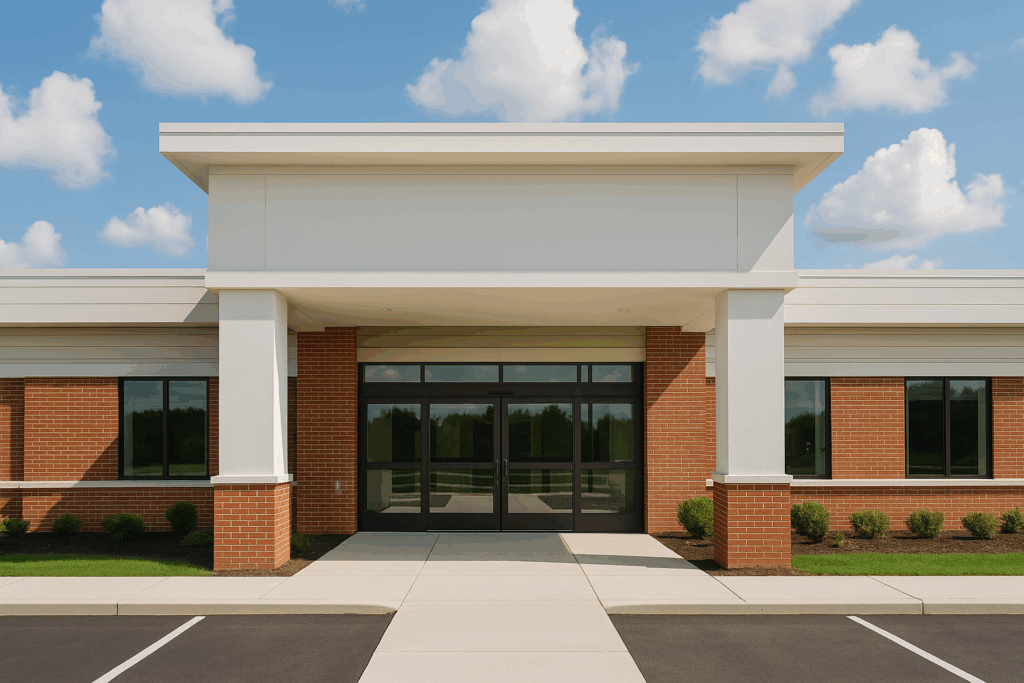
In a significant 2025 transaction, a Michigan-based portfolio comprised of 11 skilled nursing and long‑term care facilities—totaling 1,330 licensed beds—was sold (more information here). Shortly thereafter, The Ensign Group, through its real estate arm Standard Bearer Healthcare REIT, acquired the real estate of a 124-bed skilled nursing facility in Duncanville, Texas. These deals reflect a robust M&A environment within the skilled nursing real estate space, underscoring its continued investor appeal.
Broader Market Activity & Financing Trends
The momentum continues across the sector:
- In 2024 alone, there were 221 skilled nursing transactions closed, a 36% increase over 2023, with owner-operators accounting for 75% of deals and REITs or real estate investment firms nearly 21%.
- On the financing front, Greystone provided $45.4 million in bridge-to-HUD financing for four skilled nursing facilities in Michigan (489 licensed beds), helping facilitate acquisitions.
- Capital markets remain favorable, with senior housing REITs posting solid returns—healthcare REITs were among the top-performing sectors in early 2025, showing 8.5% gains. Investors are also expecting 10–15% returns in real estate stocks as rates ease Barron’s.
Demand & Investor Outlook
- A JLL investor survey reveals that most investors plan to either increase or maintain exposure to the seniors housing sector in 2025, driven by favorable demographics and opportunities to acquire below replacement cost jll.com.
- Occupancy across senior living assets continues to rise—overall occupancy exceeded 89% in Q1 2025, with even higher rates (90%) in secondary markets Cushman & Wakefield.
- Cap rates are compressing: skilled nursing cap rates dropped 10 basis points in the first half of 2025, and the majority of investors anticipate further declines .
Operational & Industry Trends
As investors move in, operators face challenges and opportunities:
- Medicare Part A payments to skilled nursing facilities rose 4.2% in FY2025, helping offset escalating costs .
- Occupancy rates are rebounding to pre-pandemic levels, though staffing shortages remain a critical constraint, especially among RNs .
- Facilities are increasingly leveraging technology and value-based care models to drive efficiency, enhance care quality, and maximize incentive payments like those from CMS’s Value-Based Purchasing program .
Summary
The skilled nursing real estate landscape in 2025 is vibrant, with accelerated deal activity, strong investor interest, favorable financing, and resilient demand. However, success in this environment hinges not just on markets and capital—but also on operators’ ability to navigate reimbursement shifts, staffing innovations, and regulatory changes through strategic investments and care-forward design.